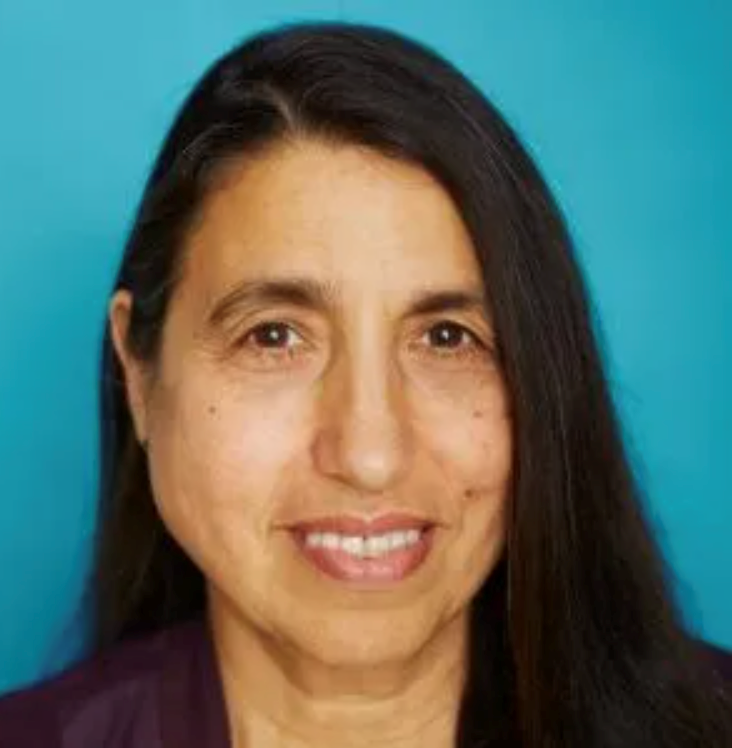
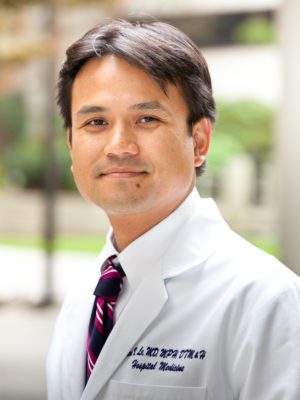
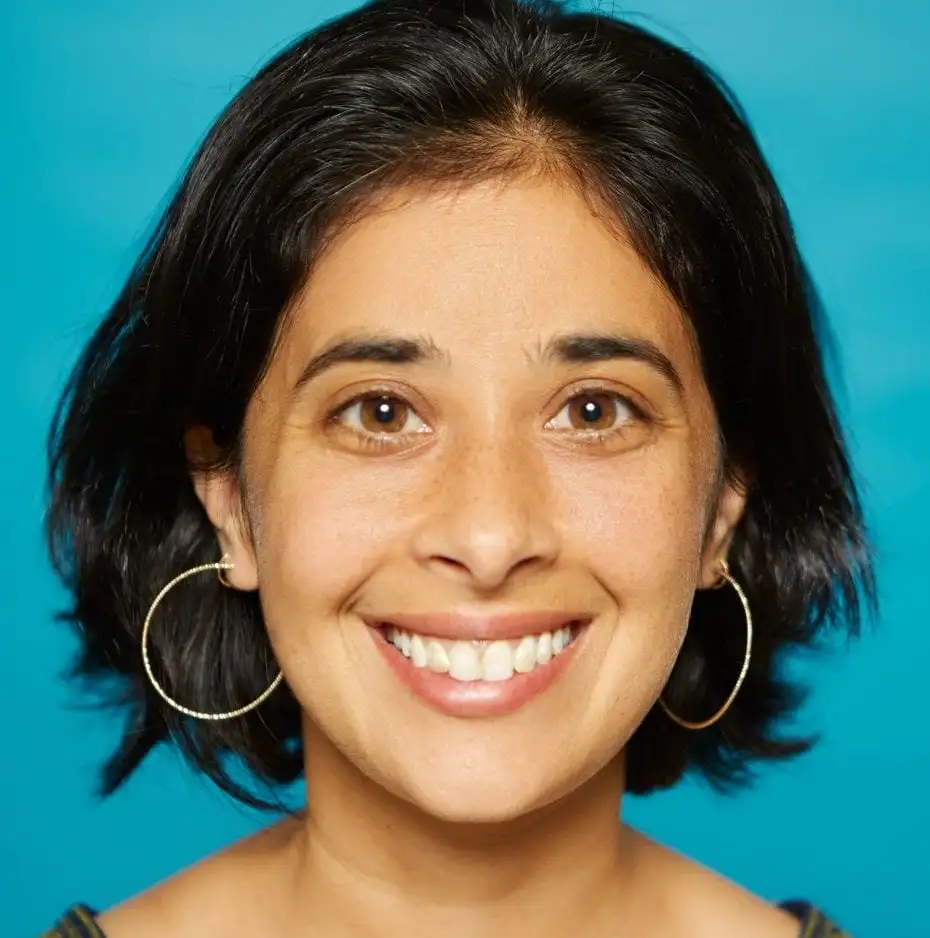
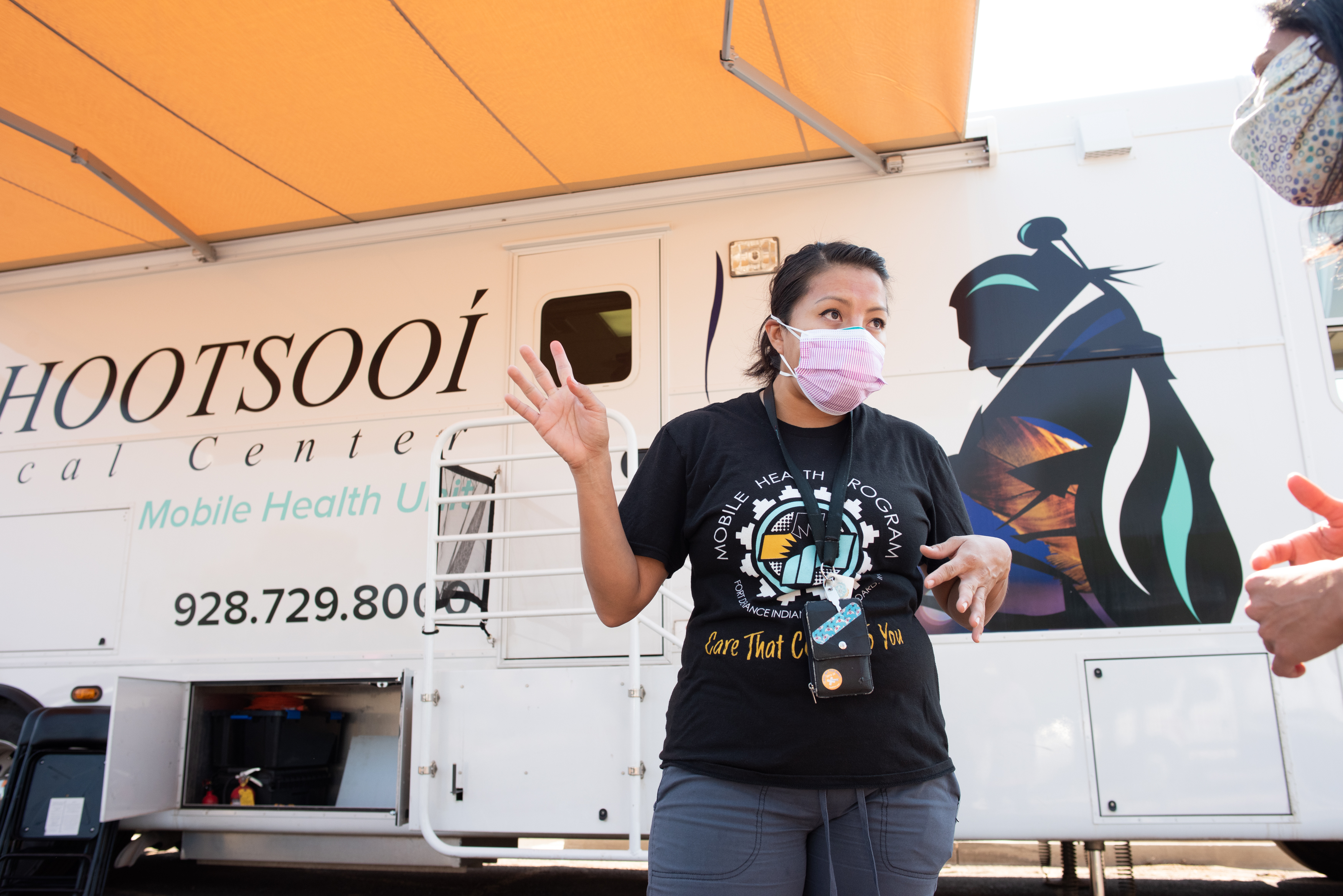
“ We need more indigenous health care professionals so that there’s the assurance that they’ll stay in their communities. And they’ll have the trust of their community members when they seek care.”
-Adriann Begay, MD, Navajo Nation Senior Officer

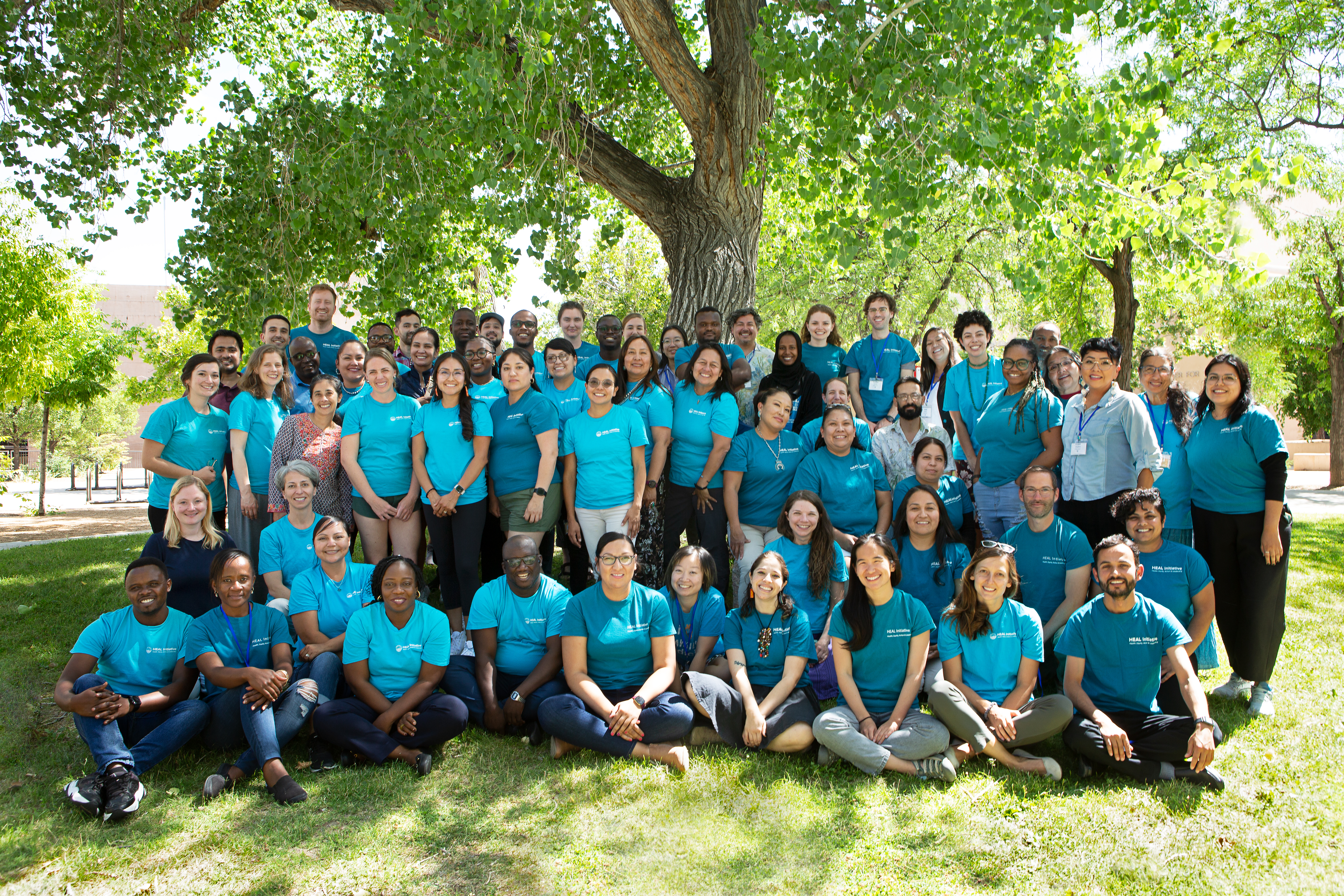
HEAL trains and transforms front line health professionals through building a community dedicated to serving the underserved as their lifelong choice.
The Center for Health Workforce, or HEAL Initiative, seeks to embody solidarity and contribute to the movement for global health equity led by communities themselves. We believe health is achievable for even the most vulnerable populations in our world when we apply principles of equity, justice, and solidarity. People coming together can transform systems. Through the process, we also continue to be transformed.
Global health requires investing in people, in community. HEAL trains and transforms frontline health professionals from around the world through building a community dedicated to serving the underserved as their lifelong choice. The HEAL Initiative believes deeply in the power of people to come together to tackle the isolation of providing care to those left behind. Together in community, they train and transform health professionals to serve the resource-denied.
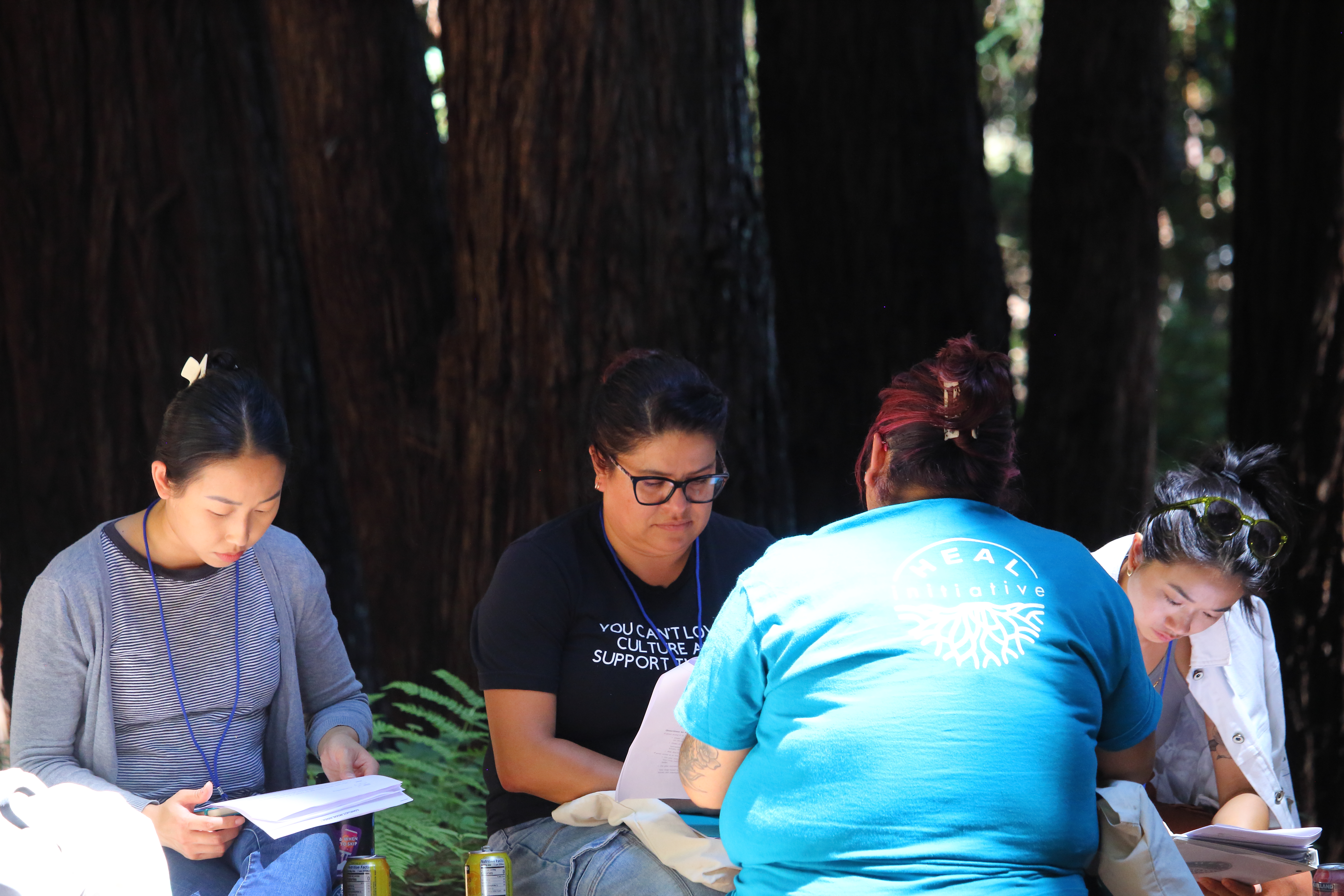
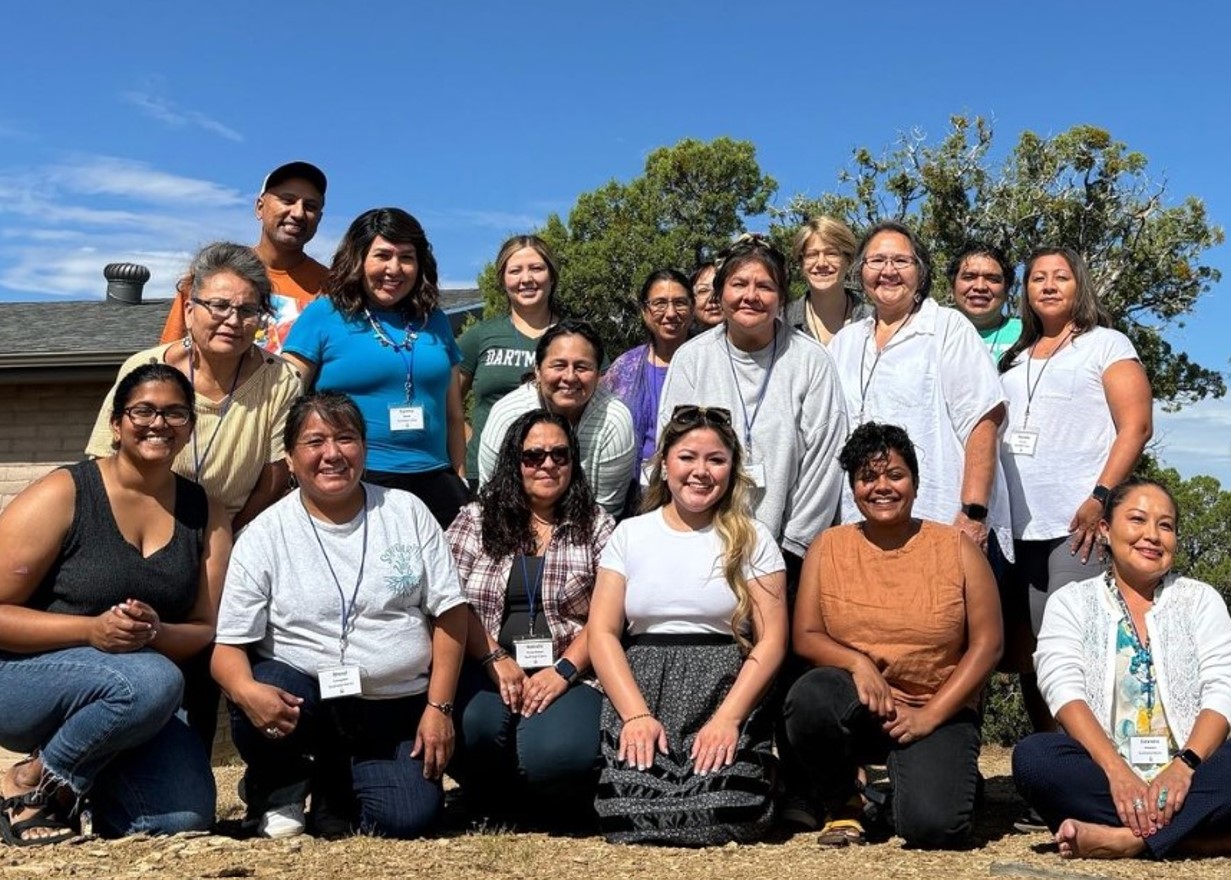
The California HEAL Program brings together physicians and local healthcare professionals serving resource-denied communities across the state to build connections, share knowledge, and co-lead health systems improvements. During this one-year program, fellows participate in immersive training in systems thinking and collaborative practice grounded in real-world local contexts. Ongoing mentorship and side-by-side project work foster trust and long-term partnerships that challenge top-down approaches to public health. Social Medicine HEAL Fellows (primary care physicians) and Community HEAL Fellows (healthcare professionals already working in their communities) work together to improve healthcare access and quality in their communities while maintaining their well-being.
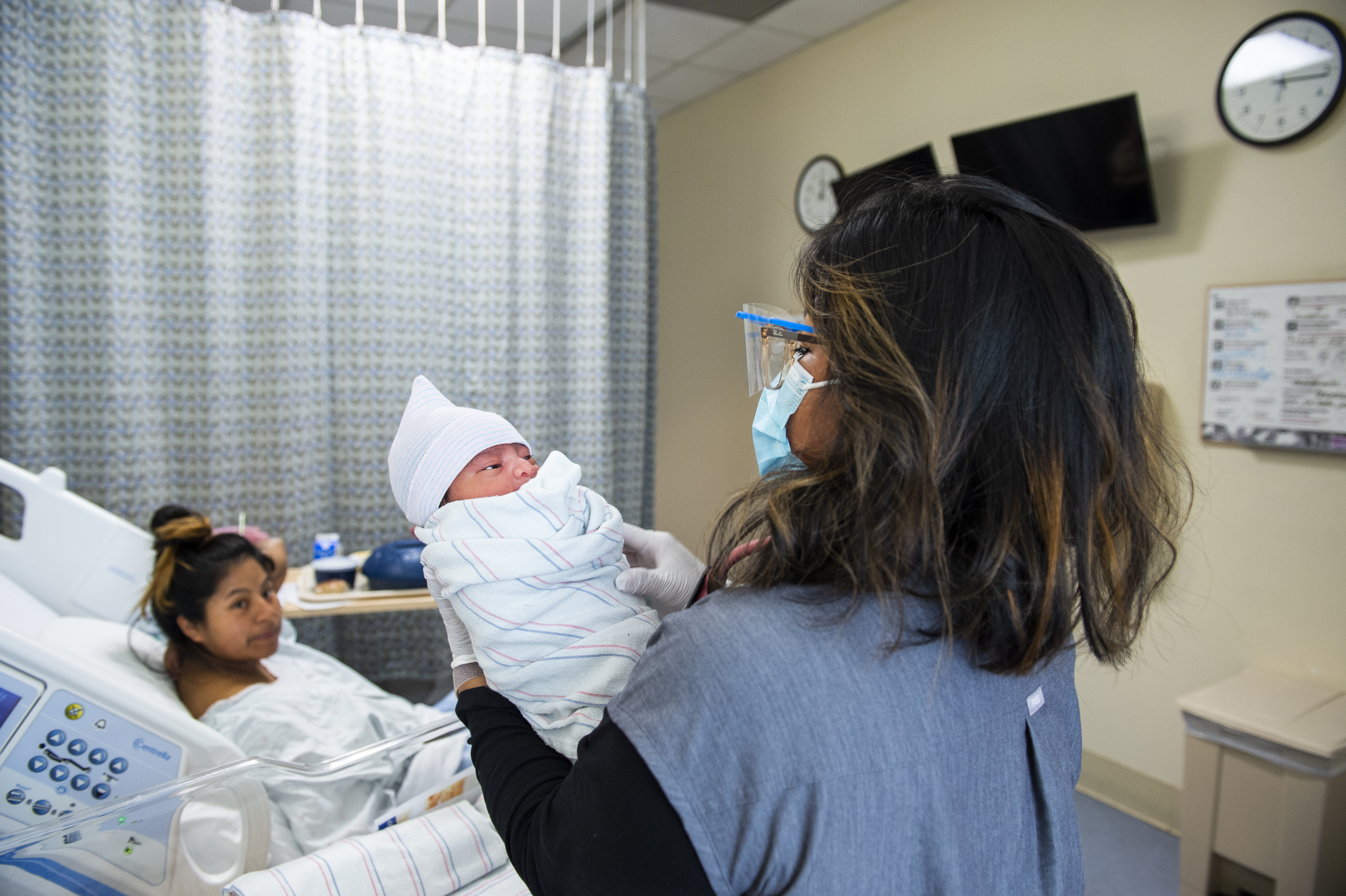
HEAL’s Global Program pairs U.S.-trained physicians with local healthcare professionals in resource-denied international and domestic settings to build connections, share knowledge, and co-lead health systems improvements. Fellows participate in immersive training in systems thinking and collaborative practice, grounded in real-world contexts of both U.S. and international sites. Ongoing mentorship and side-by-side project work foster trust and long-term partnerships that challenge top-down approaches to global health. Rotating Fellows (visiting physicians) and Site Fellows (healthcare workers already serving the community) come together as learning partners and collaborators.
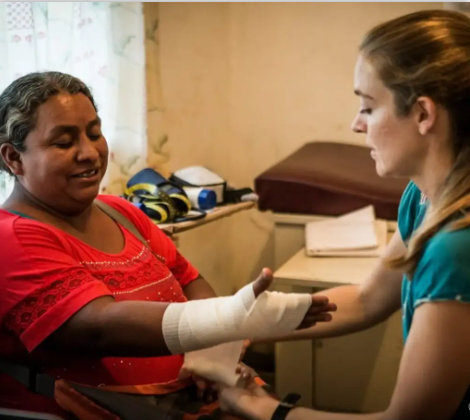
Driven by HEAL Alumni in partnership with the Malawi Ministry of Health (MOH) and Partners in Health Malawi (APZU – Abwenzi Pa Za Umoyo) the Malawi Leadership Program provides public sector clinicians with immersive training in systems thinking and collaborative practice, grounded in the real-world context of Neno, Malawi. Ongoing mentorship and side-by-side project work foster trust and long-term partnerships that challenge top-down approaches to global health. The program invests in the people already strengthening Malawi’s health system, ensuring care improves from the inside.
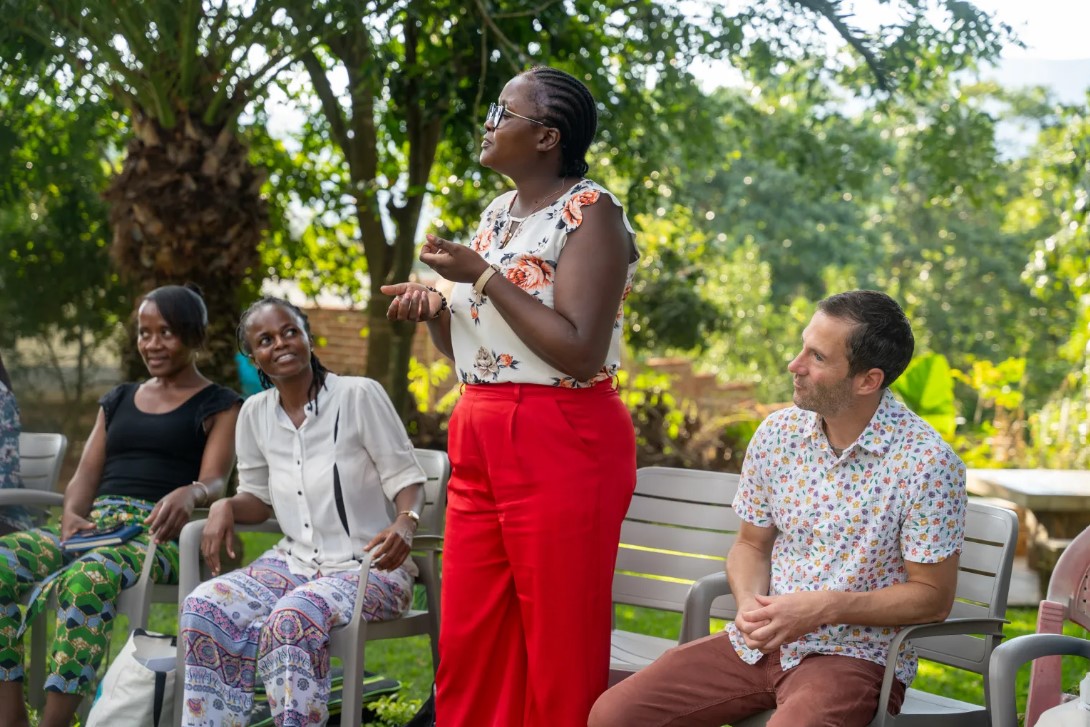
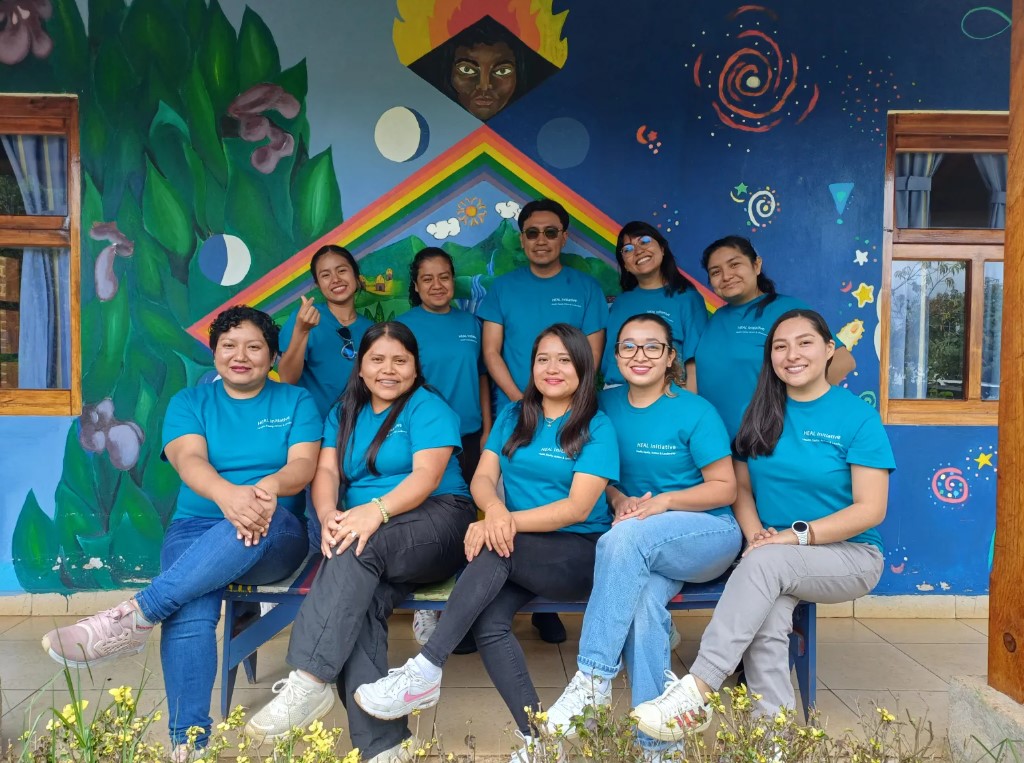
Following eight-plus years of work in Chiapas, Mexico, HEAL alumni and partner site Compañeros En Salud (Partners in Health, Mexico) knew HEAL could and must extend our impact by offering our model in Spanish for public health workers in rural Chiapas. This led to the co-creation of the Mexico Leadership Program, which provides Spanish-speaking healthcare workers with immersive training in systems thinking and collaborative practice, grounded in the real-world context of Chiapas. Ongoing mentorship and side-by-side project work foster trust and long-term partnerships that challenge top-down approaches to global health. Fellows develop lasting relationships that support both personal growth and improved patient outcomes in rural Mexico.
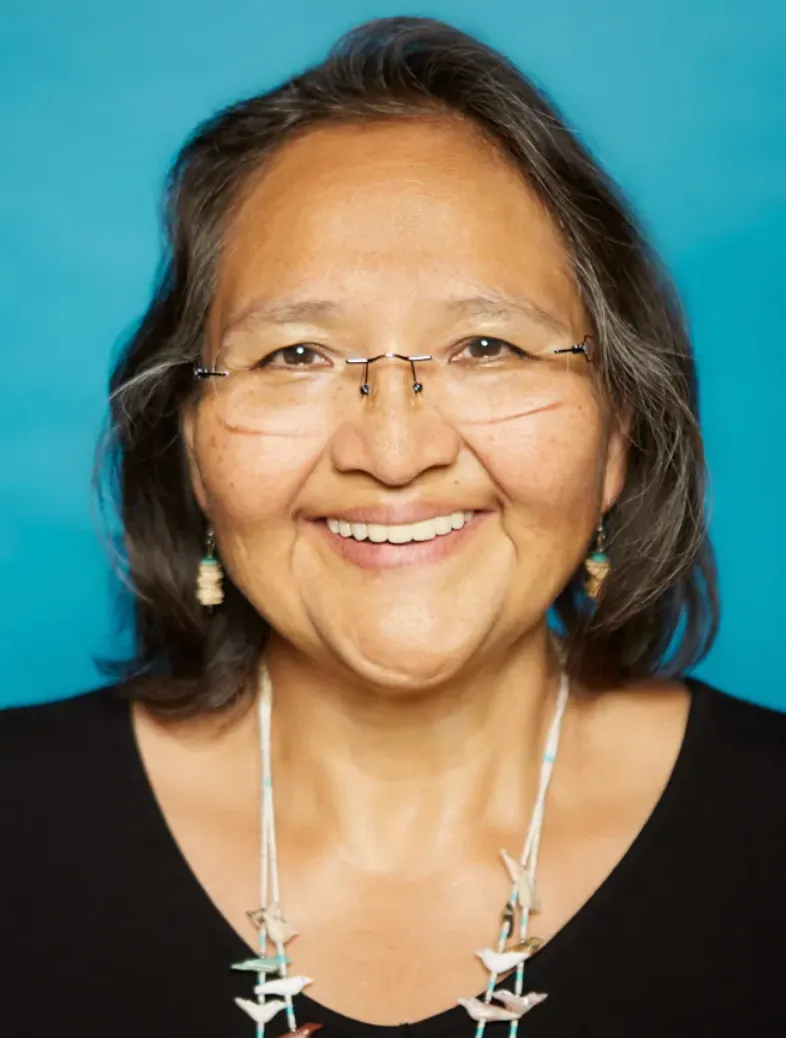
“ We need more indigenous health care professionals so that there’s the assurance that they’ll stay in their communities. And they’ll have the trust of their community members when they seek care.”
-Adriann Begay, MD, Navajo Nation Senior Officer